Bicycle Accident Lawyer Advice for Dangerous Road Design Cases
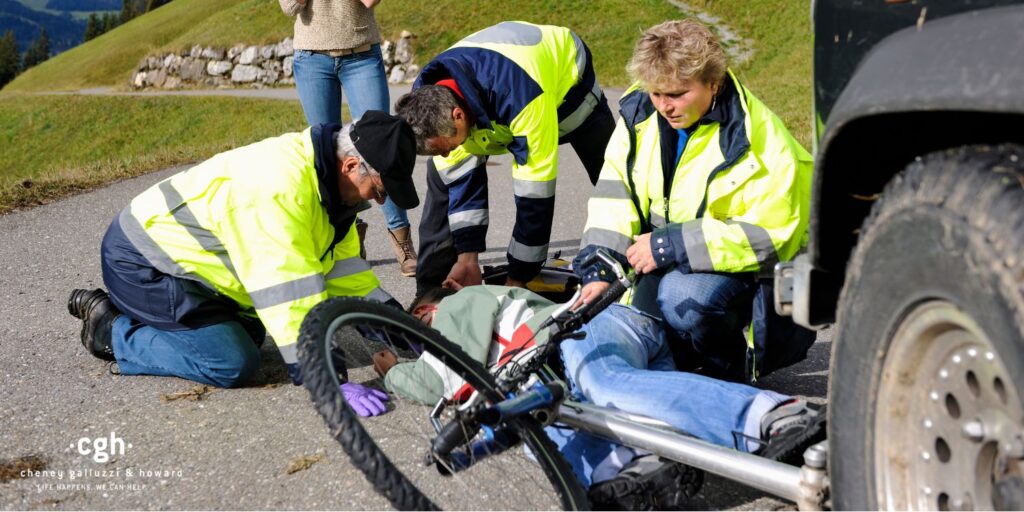
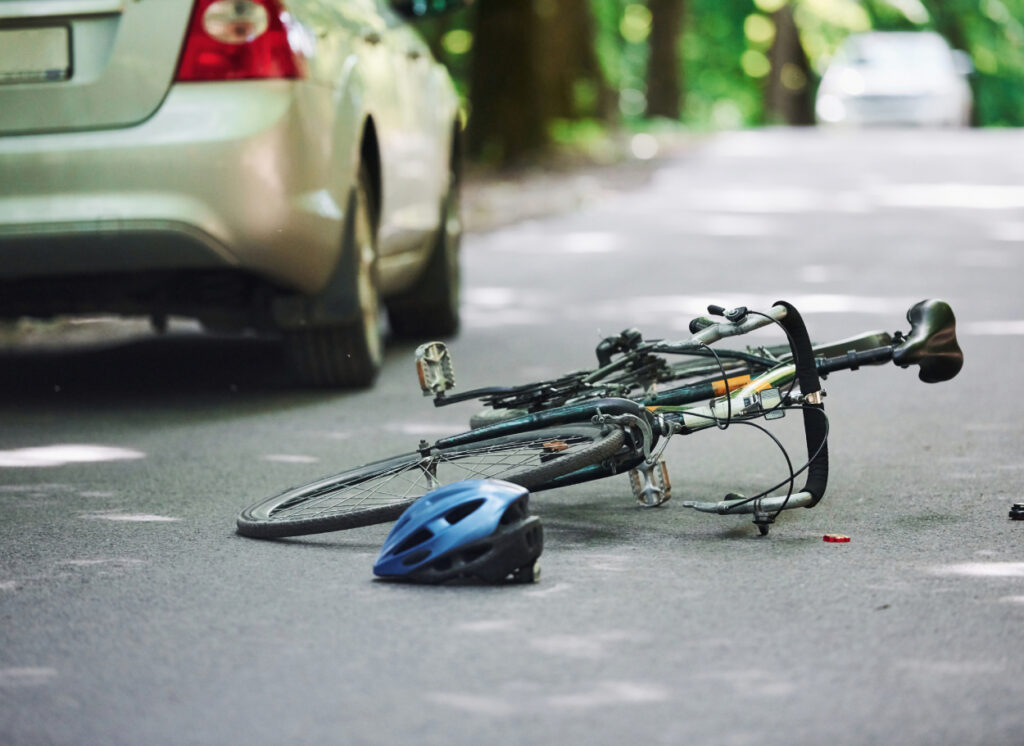

A bicycle crash caused by a bad driver is one kind of case. A crash caused by a bad road is another entirely. The injuries may look the same in the emergency room, but the legal work is different from the first phone call onward. When dangerous road design is part of the story, liability can extend beyond the motorist who struck the cyclist, or exist even when no car made contact at all.
That distinction matters. A rider can go down because a storm drain grate catches a wheel, because a bike lane vanishes at the mouth of a high speed turn lane, because a pavement seam runs parallel to traffic, or because a signal loop never detects bicycles and pushes riders into risky movements. These cases often require a deeper investigation, tighter evidence preservation, and a realistic understanding of how cities, counties, contractors, and state agencies defend themselves.
A seasoned Bicycle Accident Lawyer looks at the scene differently than someone handling a straightforward rear-end collision. The question is not only who hit whom. The question is whether the roadway itself created a predictable hazard, whether the responsible agency knew or should have known about it, and whether the design failed cyclists in a way that was preventable.
When road design becomes part of the case
Most people think of dangerous roads in obvious terms, like potholes big enough to swallow a tire. In practice, the more serious design cases are often subtler. The road may have been built or maintained in a way that funnels cyclists into conflict points, deprives them of sight distance, or leaves no recovery space when something goes wrong.
A narrow shoulder beside fast traffic can be hazardous, but narrowness alone does not always create a legal claim. The harder cases involve a combination of factors. Imagine a downhill approach to an intersection where the bike lane narrows, parked cars block visibility, and a right-turn slip lane encourages motorists to merge quickly without scanning for bicycles. That kind of geometry can turn routine traffic movement into a recurring crash pattern.
I have seen cases where one photograph from the scene said more than twenty pages of incident narrative. Fresh skid marks angled toward a drain inlet, a worn strip of broken asphalt where riders consistently drift to avoid debris, or a row of flexible posts bent over at the exact point where vehicles cut across a painted bike lane, those details tell you whether the roadway itself played an active role.
Not every bad roadway condition supports a claim. Roads are not required to be perfect. Agencies usually argue that cyclists must expect some surface variation, weather wear, utility cuts, and ordinary conditions. The legal issue is whether the condition crossed the line from minor imperfection to unreasonable danger, especially for a foreseeable road user.
The design defects that appear again and again
Certain roadway features show up repeatedly in serious bicycle injury claims. They do not always produce a lawsuit, but they deserve immediate scrutiny.
- Longitudinal pavement gaps, seams, or rail flangeways that can trap a bicycle tire
- Drain grates, utility covers, or broken edges located in the normal line of bicycle travel
- Intersections where bike lanes disappear or force abrupt merges near turning traffic
- Sight-obstructed crossings caused by parking, landscaping, barriers, or poor signal placement
- Roadway drop-offs, uneven resurfacing, or shoulder deterioration with no warning or taper
The legal significance of these features depends on context. A drain grate that sits harmlessly outside the travel path may not matter. The same grate placed exactly where a rider must move to avoid a right-hooking truck may become central evidence. A shoulder drop-off on a low speed rural road may be less compelling if there is ample width and no traffic pressure. Put that same drop-off on a busy arterial where cyclists are pushed to the edge by passing vehicles, and the analysis changes.
Design standards also matter, but they are not magic words. Whether the road met an old standard, a local manual, or a state specification is relevant, not decisive. Standards can lag behind safe practice. A municipality may say, truthfully, that a road was built according to the rules in effect at the time. A plaintiff may still show the design was dangerous in operation, especially if crash history, complaints, maintenance records, or later modifications suggest the hazard was known.
Why government cases are harder than ordinary injury claims
Claims involving a city or public works department are rarely handled like claims against a private driver. There are shorter notice deadlines in many jurisdictions, strict service requirements, immunity defenses, and disputes over which public entity actually controlled the roadway. Was it the city, county, state, a transit authority, or a contractor working under permit? That question sounds basic, but it can consume valuable weeks if counsel does not move quickly.
The ordinary person standing at the crash scene usually has no way to tell who owned or controlled the specific segment of roadway. A street may be within city limits but maintained by the state. A signal may be under one agency while pavement maintenance belongs to another. A temporary traffic setup may have been created by a utility contractor. The right defendant is not always the obvious one, and naming the wrong party can create avoidable delay.
This is one of the clearest reasons to involve a Bicycle Accident Lawyer early. A lawyer who regularly handles roadway defect cases knows to request maintenance logs, prior complaints, resurfacing plans, signal timing records, design drawings, inspection reports, and contractor permits before they disappear into retention schedules or become harder to identify. In some places, public records requests help. In others, formal pre-suit notices and later discovery carry more weight. Timing is everything.
Government defendants also defend these cases with familiar themes. They may argue design immunity, lack of notice, trivial defect, rider inattention, excessive speed for conditions, or improper bicycle positioning. If the rider was not wearing a helmet, that issue may come up even when it has nothing to do with how the crash occurred. If the cyclist deviated from a bike lane to avoid debris, the defense may try to paint a reasonable evasive move as user error. Anticipating those arguments from day one is not optional.
The evidence that vanishes first
Road defect cases are won or lost on detail. The condition that caused the crash can be repaired within days. Traffic barrels can be removed. Fresh paint can cover a conflict zone. A contractor can grind down an edge or patch a depression without admitting anything, and once that happens, the original hazard becomes much harder to prove.
Photos from a phone are useful, but they are only the start. Scale matters. Measurements matter. Light conditions matter. If the defect involves visibility, the scene should be documented at the same time of day and under similar traffic conditions whenever possible. If it involves drainage, weather records and water pooling patterns matter. If a wheel was trapped in a seam or grate, the tire width and bicycle type matter too. A road condition that endangers a road bike with 28 millimeter tires may not affect a wider commuter tire the same way, and that nuance can become important.
Witnesses can also be more valuable than in a typical collision case. Nearby residents, delivery drivers, regular bike commuters, and store owners often know a hazard long before any agency admits knowledge. They may have seen previous falls, near misses, or recurring maintenance problems. One neighbor who says, "I called the city three times about cyclists crashing here," can change the temperature of a case.
Crash data is another underused source. If several bicycle incidents occurred at the same location over a period of years, that pattern can support notice and foreseeability. But crash databases are imperfect. Solo bicycle crashes, especially nonfatal ones, are often underreported. A lawyer should not rely solely on police records. Community forums, advocacy groups, and local shop employees sometimes know far more about a hazardous segment than official statistics reveal.
What injured cyclists should do in the first days
The first week after a crash is often chaotic. Medical care comes first, as it should. Still, a few practical steps can preserve a case that might otherwise weaken quickly.
- Photograph the exact location, including wide shots and close-ups with a visible point of reference
- Preserve the bicycle, helmet, clothing, lights, and any damaged gear without repair
- Identify nearby cameras, businesses, homes, or buses that may have recorded the incident
- Write down what happened while the memory is fresh, including speed, lane position, weather, and traffic
- Speak with counsel before giving detailed recorded statements about fault or roadway conditions
Those steps are not about dramatizing a claim. They are about accuracy. Memory shifts fast after trauma. I have seen riders confidently describe a fall one way on day one and differently two weeks later after talking with insurers, friends, and family. Contemporary notes can become a powerful anchor.
Preserving the bicycle itself is especially important. Defense experts often want to inspect wheel condition, tire width, brake function, reflectors, and the geometry of impact or snag. A well-meaning repair shop can unintentionally erase evidence by replacing a bent fork, damaged rim, or torn tire. Store it exactly as it is until counsel or an expert says otherwise.
How lawyers prove notice when the agency says it knew nothing
Public agencies rarely admit prior knowledge unless the paper trail is unmistakable. That does not mean the hazard was unknown. It means the proof has to be built carefully.
Actual notice can come from prior complaints, work orders, prior crashes, maintenance requests, or emails among staff. Constructive notice is different. It means the condition existed long enough, and was obvious enough, that the responsible entity should have discovered and addressed it through reasonable inspection and maintenance.
Constructive notice is often where these cases are fought. Consider a wheel-catching pavement gap that developed over months after repeated resurfacing failure. The city may claim nobody reported it. A plaintiff may respond with photos over time, testimony from local riders, and maintenance records showing repeated patching attempts in the same corridor. That combination can support the argument that the condition was neither sudden nor hidden.
Sometimes the best evidence of notice is what happened after the crash. Agencies frequently argue that later repairs cannot be used to prove negligence. That rule exists in many places, but it is not absolute in every context and does not mean post-crash actions are irrelevant for all purposes. The legal handling of subsequent remedial measures can be technical, and a lawyer should evaluate local law before making assumptions. Even where those repairs cannot be used to prove fault directly, the timing, records, and internal communications surrounding them may still lead to discoverable evidence.
Design immunity is real, but it is not untouchable
One of the strongest defenses in dangerous road design litigation is design immunity. In plain terms, the government may argue that the road was built according to an approved plan, by someone with authority to approve it, and therefore the agency cannot be held liable simply because the design later appears unsafe.
That defense is formidable, but not always fatal. A case may still move forward if the claim focuses on poor maintenance rather than the original design, on a dangerous condition that developed after construction, or on changed circumstances that made the once-approved design unsafe in actual use. Increased traffic volume, changed speed patterns, nearby development, altered signal operations, and repeated crash history can all matter.
A common example is an intersection that once served moderate traffic but now handles far more turning vehicles, delivery vans, and ride-share pickups than the original plans contemplated. A bike lane placement that may have been marginal years ago can become plainly hazardous under current conditions. If the agency had reason to know the roadway was operating unsafely and failed to act, the immunity argument may weaken.
This is where technical experts earn their keep. Engineers, human factors specialists, and reconstruction professionals can explain not only what happened but why the design created a foreseeable risk for cyclists. The best expert reports do not https://jeffreypctm187.swiftnestly.com/posts/bicycle-accident-lawyer-answers-about-filing-deadlines-2 read like textbooks. They connect geometry, vehicle movement, cyclist behavior, and timing in a way judges and juries can picture.
Cases with no car contact can still be strong
Many injured riders assume they have no case unless a driver struck them directly. That is often wrong. A cyclist can suffer catastrophic injuries after swerving to avoid a dangerous roadway condition or a design-induced conflict, even without physical impact from another vehicle.
Take the rider who approaches a protected lane ending abruptly before an intersection. A car turns across the cyclist’s path, the rider brakes and veers to avoid contact, the front tire drops into a broken pavement edge, and the cyclist flips over the bars. The defense will call it a no-contact loss of control. A careful plaintiff presentation may show the road design placed the cyclist in an unreasonable trap by forcing an abrupt merge at the exact point of right-turn conflict, compounded by a known pavement defect.
These cases demand disciplined storytelling. They fail when the facts are exaggerated or when counsel tries to blame every bad thing in the corridor. They improve when the evidence isolates the actual chain of events and explains why a predictable rider reaction led to injury.
Damages in bicycle road design cases
The injuries in these cases can be severe even at modest speeds. A rider pitched from a bicycle onto pavement can sustain a traumatic brain injury, clavicle fracture, wrist fracture, facial fractures, spinal injury, or deep soft tissue damage. Return to work may be delayed not only by pain but by loss of mobility, balance issues, post-concussive symptoms, and inability to commute.
Bicycle damage itself is usually a small part of the claim, though high-end bikes and components are not cheap. Carbon frame failures, cracked helmets, destroyed wheels, and damaged electronic shifting systems can quickly reach several thousand dollars. Still, the larger economic picture usually comes from medical bills, future treatment, lost wages, reduced earning capacity, and in some cases long-term care needs.
Jurors also tend to understand the human losses in a very direct way. Cycling is transportation for some people, fitness for others, and identity for many. When a rider who used a bicycle daily becomes fearful of returning to the road, that loss is not abstract. It shows up in routine life, missed work flexibility, weight gain, social withdrawal, and reduced independence. Good advocacy does not overstate these effects, but it does not ignore them either.
The comparative fault problem
Even strong roadway cases often involve some comparative fault argument. The defense may say the cyclist was descending too fast, riding too close to the edge, using narrow tires, wearing earbuds, failing to use available lighting, or choosing the wrong lane position. Some of these points are weak and some deserve sober attention.
A good Bicycle Accident Lawyer does not pretend the cyclist’s conduct is irrelevant. Instead, the lawyer examines whether the rider’s choices were actually unreasonable under the circumstances. Cyclists frequently move toward the edge because traffic pressure leaves them little room. They may descend at ordinary speed on a route they use daily. They may take a line that seems imperfect only after someone studies the scene from a conference room months later.
Juries usually respond better to candor than to perfection. If a rider could have exercised more caution, say so where necessary, then show why the roadway remained dangerous for foreseeable users even with reasonable care. The law typically does not require perfect behavior from injured people. It asks whether the defendant contributed to the harm, and by how much.
Choosing the right lawyer for this kind of claim
A lawyer can be excellent at car crash litigation and still be underprepared for a dangerous road design case involving a bicycle. These matters cross into municipal liability, engineering evidence, public records, notice law, and in many jurisdictions immunity doctrine. They also require a practical understanding of cycling itself. Counsel should know the difference between a harmless crack and a wheel-trapping seam, between a painted lane and actual separation, between a right hook and a merge conflict caused by lane geometry.
When speaking with a potential attorney, ask how they investigate roadway claims, whether they have handled cases against public entities, and how quickly they send scene investigators or preservation letters. Ask who they use for engineering analysis and whether they understand bicycle operation beyond general traffic rules. Those questions are not academic. They reveal whether the lawyer sees the case in two dimensions or three.
The strongest counsel also knows when not to oversell. Some dangerous roadway situations are real hazards but weak legal claims because the notice evidence is thin, immunity is strong, or the defect was repaired before anyone documented it. Honest early advice is valuable even when it is not what an injured rider hoped to hear.
The road itself can be the story
There is a tendency to treat bicycle crashes as isolated incidents, one rider, one bad day, one broken bone. Dangerous road design cases challenge that view. Many of these injuries are not random. They are the result of choices made in planning, resurfacing, maintenance, and traffic control, choices that shape how vulnerable road users move through space.
That is why these cases matter beyond compensation. When handled well, they force a hard look at locations that have generated complaints, near misses, and repeat incidents for years. Sometimes the result is a settlement. Sometimes it is a repaired seam, a reconfigured lane, a removed obstruction, or a signal change that prevents the next fall.
For the injured cyclist, though, the immediate task is simpler. Get medical care. Preserve the evidence. Identify the roadway issue before it disappears into fresh asphalt or bureaucratic denial. Then speak with a Bicycle Accident Lawyer who understands that in some cases the most important defendant was never behind a steering wheel.
CGH Injury Lawyers
2701 Lawrence St Suite 201
Denver, CO 80205, United States
Phone: +1 720-669-8062
FAQ About Bicycle Accident Lawyer
Who is at fault if a car hits a bicycle?
Fault depends on the evidence and the traffic rules that applied to the collision. A driver, cyclist, or another party may share responsibility. Police reports, witness accounts, video, and the physical evidence can help establish what happened. A collision with a car does not automatically determine legal fault.
Can you sue someone for hitting you on a bike?
You may have a claim when another person's negligent conduct causes your injuries and losses. The available evidence, applicable deadlines, insurance coverage, and any shared fault affect your options. A lawyer can review the circumstances and explain whether an insurance claim or lawsuit is appropriate; compensation is not guaranteed.
What percentage does an injury lawyer usually take?
There is no single percentage that applies to every injury case. Many lawyers use a contingency fee based on a share of the recovery, with the terms stated in a written agreement. Ask how the percentage is calculated, whether it changes during litigation, and how case expenses are handled before signing.